

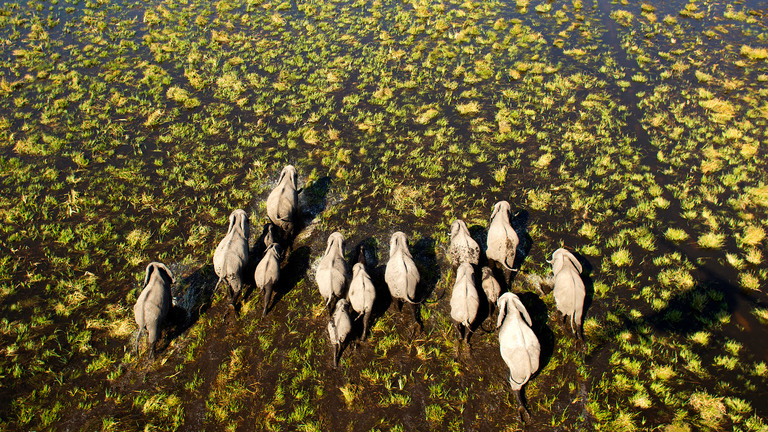
Countries around the world are strengthening efforts to protect endangered wildlife and restore natural habitats as biodiversity loss continues to accelerate. Governments, conservation groups, and local communities are increasingly working together to safeguard threatened species and rebuild ecosystems damaged by deforestation, pollution, and climate change.
New conservation programs focus on expanding protected areas, restoring forests and wetlands, and improving wildlife monitoring using advanced technologies such as satellite tracking and camera traps. These initiatives aim to create safe habitats where endangered animals can recover and maintain healthy populations.
Several international partnerships are also supporting wildlife protection through funding, research, and cross-border conservation projects. In many regions, local communities are playing a vital role by participating in habitat restoration, anti-poaching patrols, and sustainable land management practices that balance environmental protection with livelihoods.
Experts emphasize that protecting natural habitats is essential not only for wildlife but also for maintaining ecological balance. Healthy ecosystems provide crucial services such as clean water, fertile soil, and climate regulation, all of which support human well-being.
Conservationists warn that without urgent and coordinated action, many species could face extinction in the coming decades. However, growing global awareness and collaborative conservation efforts are offering renewed hope for protecting endangered wildlife and restoring the planet’s natural ecosystems. News as reported