

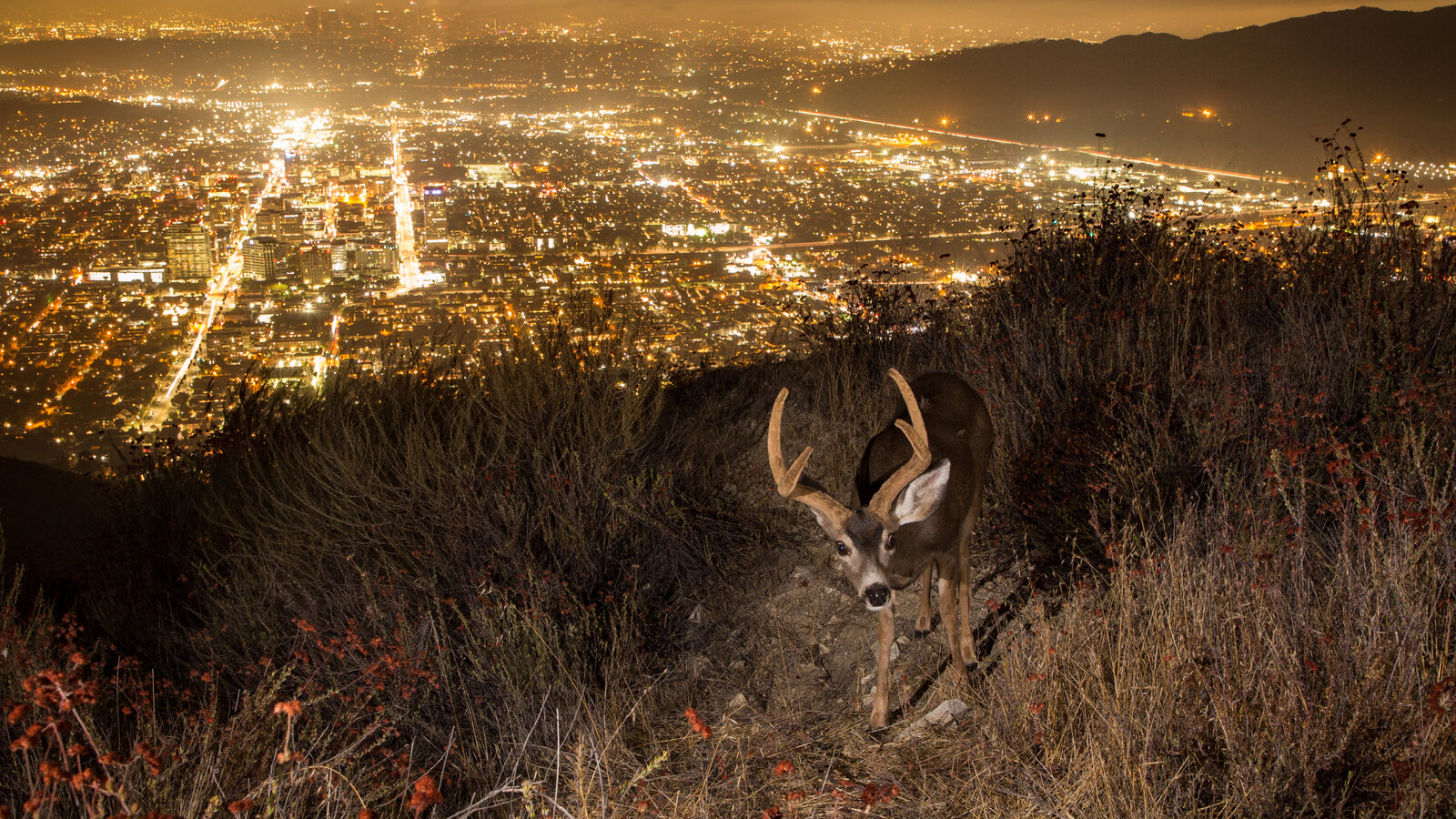
Researchers are drawing attention to the escalating effects of urban heat islands on wildlife and plant ecosystems in major cities around the world. As concrete structures, asphalt roads, and dense infrastructure absorb and retain heat, urban areas are experiencing significantly higher temperatures than surrounding rural regions — a phenomenon known as the urban heat island effect.
Studies show that prolonged heat stress is altering flowering cycles, reducing plant growth, and increasing tree mortality in city landscapes. Native plant species are particularly vulnerable, while invasive species that tolerate higher temperatures are expanding their range. This shift is reshaping urban biodiversity and weakening ecological balance.
Wildlife is also under strain. Birds, pollinators, and small mammals are facing dehydration, food scarcity, and habitat loss as green spaces shrink and temperatures rise. Researchers note that some species are changing migration patterns or becoming more nocturnal to cope with extreme heat conditions.
Experts emphasize that expanding urban green cover — including parks, wetlands, tree-lined streets, and green roofs — can help mitigate heat buildup while supporting biodiversity. Nature-based solutions not only cool cities but also improve air quality and enhance overall ecosystem resilience.
With climate change intensifying heatwaves globally, scientists urge city planners and policymakers to integrate biodiversity-sensitive cooling strategies into urban development to safeguard both wildlife and human communities. News as reported
